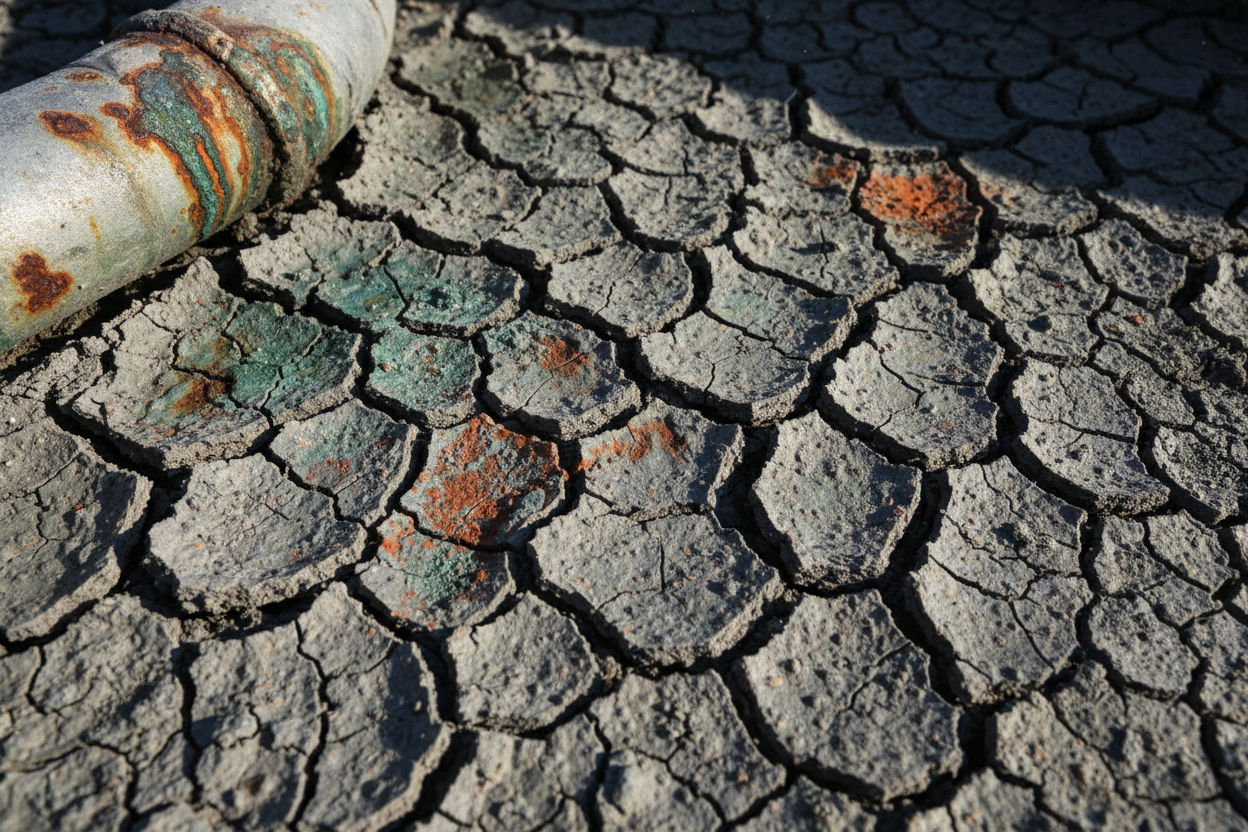
The Thirst of the Machine: How Data Centers Drain Local Water Supplies
In The Dalles, Oregon, Google's data center consumes over 355 million gallons of water annually for cooling. That's enough to irrigate thousands of acres of farmland in a region already struggling with drought.
The Hidden Cost of Cooling
Every search query, every uploaded photo, every streamed video generates heat. That heat must go somewhere. Most large-scale data centers use evaporative cooling systems that consume staggering quantities of freshwater — the same water that communities depend on for agriculture, drinking, and ecosystem health.
A single mid-sized data center can consume 3-5 million gallons of water per day. In drought-prone regions like the American West, this creates a direct conflict between digital infrastructure and human survival.
We are literally evaporating our future so that someone can ask a chatbot about the weather.
Community Resistance
Residents of Mesa, Arizona mounted a campaign against a proposed Meta data center after learning it would consume 1.75 million gallons daily from an already depleted aquifer. Similar battles are erupting across Chile, Ireland, and the Netherlands.
The tech industry's response has been predictable: promises of "water-positive" operations by 2030. But the math doesn't add up when you factor in the exponential growth of AI workloads, each requiring orders of magnitude more compute — and therefore more cooling — than traditional cloud services.
// DID THIS RESONATE?
CLICK TO SHOW YOUR SUPPORT