A Michigan Farm Town Voted Down Plans for a Giant OpenAI-Oracle Data Center. Weeks Later, Construction Began.
In Saline Township, Michigan, as in most municipalities, homeowners who want to build a new house know what a complicated and lengthy process it can be. So it surprised many in this agricultural community of red barns and dirt roads that an enormous AI data center — at 21 million square feet, the largest construction project ever undertaken in the state — seemed to race through the process from application in late summer to groundbreaking in November.
Even more surprising: The $16 billion data center for OpenAI and Oracle's Stargate AI infrastructure initiative was flat-out rejected by both the town's board and its planning commission in September. But those votes turned out to be only minor bumps on the project's path: The developer quickly sued, the town settled, and the construction vehicles rolled in.
Why 'No' Was Not Enough
The story of how the mega AI data campus became an unstoppable inevitability — over the vocal objection of residents who picketed the vote and posted 'no data center' signs outside their homes — reveals a broader dynamic of the nationwide AI data center boom: Once projects of this scale are underway, local governments often have limited leverage to block them. They are constrained by zoning laws, financial risk, and the realities of negotiating with developers backed by deep-pocketed AI companies, with formidable legal teams and plenty of political clout.
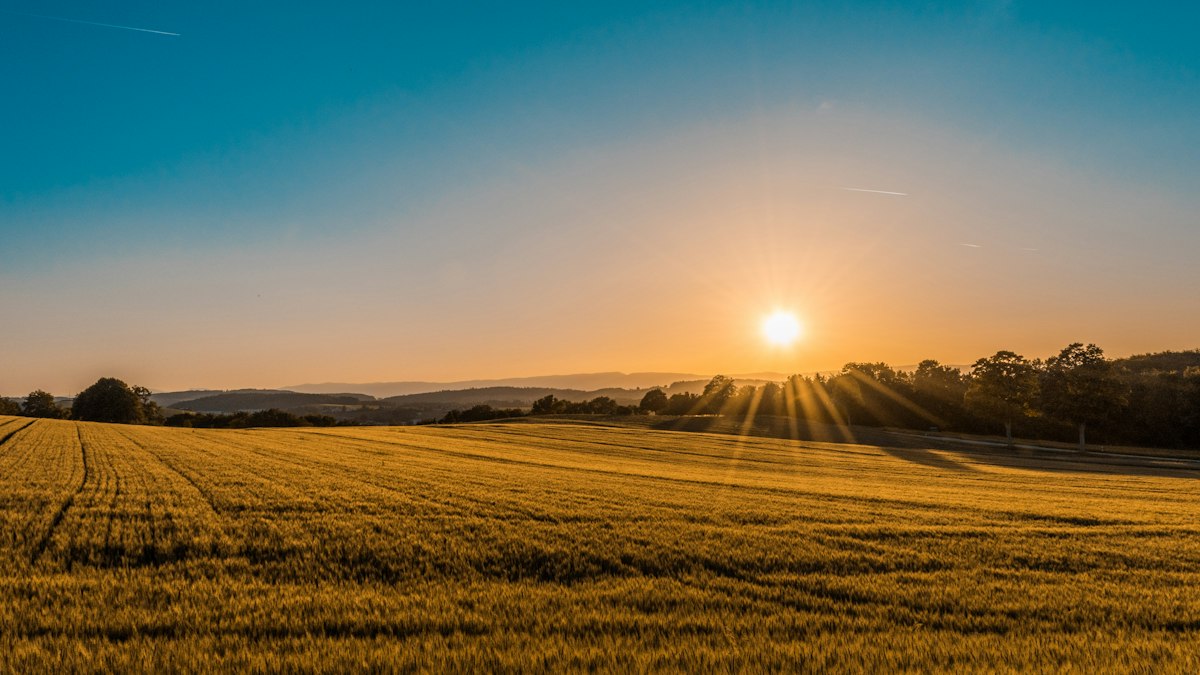
Eight months ago, when Saline's planning commission gathered in the 200-year-old white clapboard township hall to weigh arguments for and against the proposal from Related Digital to rezone 575 acres of farmland, the reasons for rejecting the plan looked straightforward: The land was zoned for agriculture, and much of it was considered prime farmland. The project would introduce industrial noise and environmental stress into a rural landscape and place new demands on emergency responders. It also conflicted with the township's long-standing master plan.
And the residents the commission represented largely hated the idea. "If you polled everyone on the township board, they would have said the same thing: They didn't want a data center there," Fred Lucas, the township's attorney, told Fortune. "We didn't invite them, we didn't encourage them."
The commission rejected the plan. The township board followed suit, voting 4–1 to deny it. But locals quickly discovered that amid the frenzied AI infrastructure gold rush, "no" does not always mean no.
The Lawsuit That Changed Everything
Two days after the board vote, on Sept. 12, Saline Township was sued by Related Digital and the site's landowners. Their lawsuit alleged "exclusionary zoning" — that the community had unreasonably barred a legitimate land use under Michigan law. It hinged on the fact that Saline Township had no land zoned for industrial use, and that a data center qualified as a "necessary" use that could not be excluded altogether.
The lawsuit underscored the township's limited leverage. Even if officials had fought it, their lawyers advised them, the project could likely have moved forward via other avenues. Meanwhile, a prolonged legal battle against well-resourced developers risked significant costs for the township, without securing concessions. Lucas says the township board had little choice. It was "between a rock and a hard place," he said. "I'm not sure there were any good solutions."
Within weeks, the township had settled: It signed a court-approved agreement allowing the project to proceed, and construction began soon after.
What's at Stake for Rural Communities
Resident Kathryn Haushalter, a 42-year-old former U.S. Marine and mother of five who lives in a 200-year-old farmhouse across from the data center site, said: "I feel like people don't understand what's coming. We know what a big project this is, and what a nuisance it's going to be, and what environmental impact it's going to have on this area. I'm just so nervous for everybody else that doesn't realize."
To Barry Lonik, a Michigan-based land preservation consultant, the project is fundamentally out of place. "No other industrial project had ever tried to come in here," he said. "It's all farmland." But that's exactly what attracts large-scale data center projects, which require high-voltage transmission lines and hundreds of contiguous acres.
The Trump administration has aggressively accelerated US data center construction with a July 2025 executive order streamlining permitting for projects over 100 megawatts or $500 million. Big Tech hyperscalers are projected to invest $630–$700 billion in 2026 in AI-related infrastructure, with capital expenditures expected to reach $5.2 trillion by 2030.
"It's a small township — a handful of people on the board, trying to do their jobs," Lonik told Fortune. "And then they get hit with something like this."
// DID THIS RESONATE?
CLICK TO SHOW YOUR SUPPORT
ORIGINAL SOURCE
Fortune / Yahoo FinanceDIALOGUE CHAMBER
(1 voice)Yet another example of an unnecessary data center, and the bullies pushing their way through to get what they want at the expense of the people. This is complete bullshit. The rights of the people should trump the rights of organizations who don’t want to pay their own way and disrupt everyone’s way of life. And watch how yet another data center will increase taxes, water, electric, and everything else that goes along with it. Screw those people in favor of data centers, they’re just in it for the money they could care less about the data, the center, AI, or anything else as long as they get the Benjamins.